| About
the Train
Southern Pacific 786 > Where's
the Steam Engine?
Southern Pacific steam engine No. 786, centerpiece of the Austin Steam Train Association’s historic
excursion operations through their first seven years, is
undergoing a thorough rebuilding that will return her
to service as good as new, and as soon as possible.
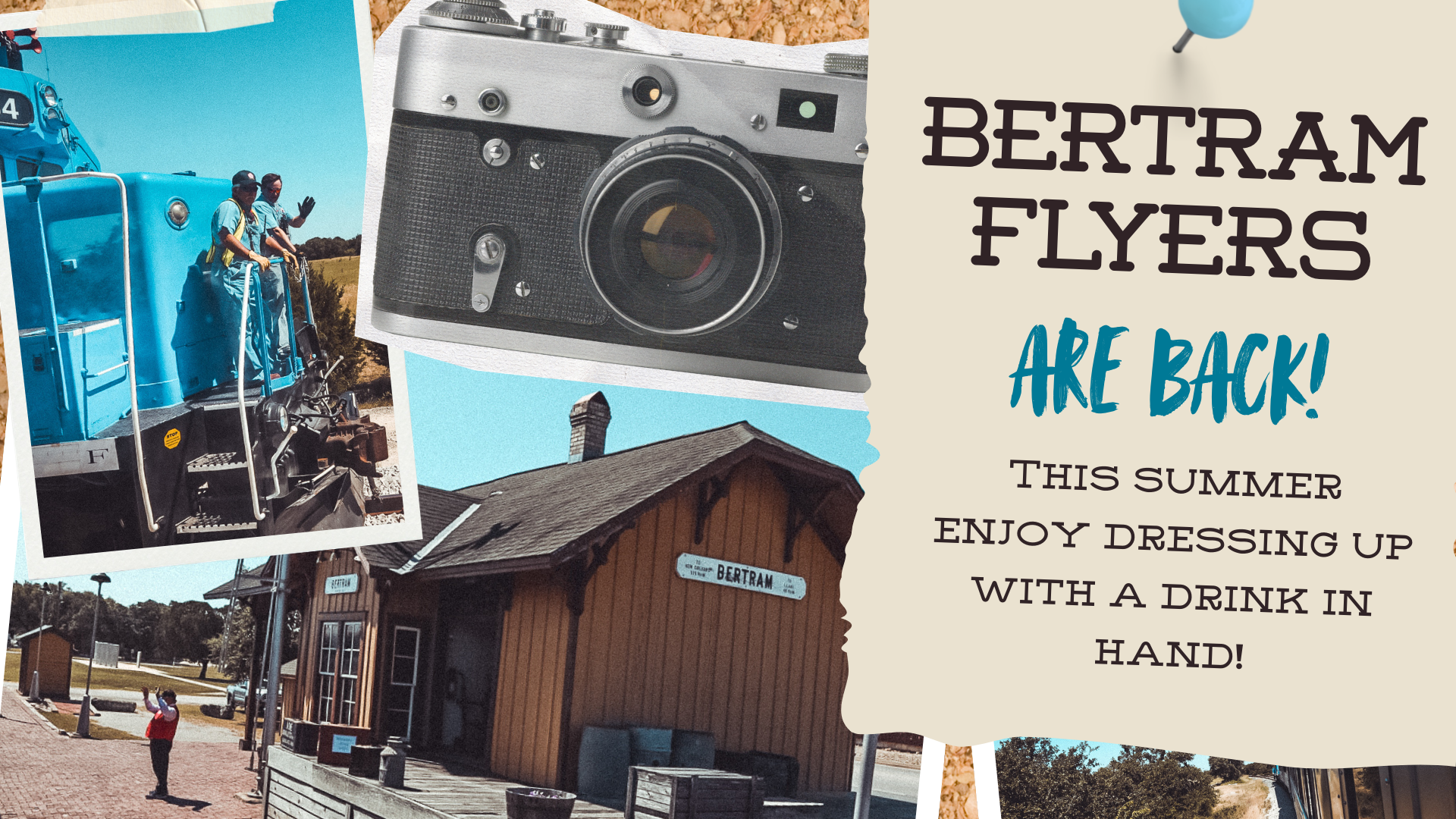
In the meantime, all of ASTA’s regular trains, including the Hill Country Flyer and the Bertram Flyer, are
continuing their schedules uninterrupted, using diesel
locomotives.
Work is actively under way to bring the 92-year-old
steam engine back into active operation, in a comprehensive rebuild funded by ASTA, the Cities of Austin
and Cedar Park, and the Heritage Society of Austin.
While she is being rebuilt, 786’s components are literally scattered across the country, receiving the attentions of the best steam-locomotive talent available.

Her boiler and firebox are in a shop in Steele, Ala., where they are being overhauled by Bob Yuill’s Historic
Machinery Services Corporation. Mr. Yuill and
his crew have tested the metal of these vital components and are repairing and renovating as necessary to
keep them solid and safe. Repairs to the firebox are almost complete and the boiler will soon be ready for
new tubes and flues.
Her frame and running gear have been shipped to
another shop in Muscle Shoals, Ala., to be rebuilt by
Scott Lindsay’s Steam Operations Corporation. Mr.
Lindsay and his crew will mount the 786’s brand-new
cylinder saddle on her frame (more on this below), and re-assemble her wheels and the complex arrangement
of her running parts in absolutely square “tram” for
smooth, trouble-free operation.
The 786’s original cylinder saddle--a massive 10-ton casting that includes the engine’s steam cylinders
and valve chambers, as well as supporting the front of
the boiler--will be replaced with a brand-new casting
manufactured at the Fairmount Foundry in Hamburg, PA, probably the first such item made in the U.S. in half a century. Professionals from Steam Operations and Listerhill TMC in Muscle Shoals are using one of the largest horizontal boring mills in the country to machine the new casting to the final dimensions required for installation
on the locomotive frame. When the machining operations are complete, the 786’s new cylinders and valves
will be parallel to the frame and precisely located within
a few thousandths of an inch.
It was metal flaws in the 786’s old cylinder saddle that
necessitated taking her out of service in the summer of
1999,and it was the discovery that the vital casting could
not be fixed, but would have to be replaced, that turned
a repair job into a complete overhaul of the engine.
The locomotive’s 63-inch driving wheels have been
turned in the shops of the Tennessee Valley Railroad in
Chattanooga, and eight new iron tires will be mounted
on the drivers. The air compressor and feedwater heater are being restored by Back Shop Enterprises in Wheat
Ridge, CO, and plans are being made to refurbish the
driving boxes, crown brasses and thrust bearings that carry the frame on the wheels.
When all the 786’s pieces are ready, they will be brought
back to Texas where the engine will be re-assembled in
ASTA’s Cedar Park terminal yard or some other suitable local facility.
This final reconstruction, which will include remounting the cab, installation of refurbished appliances,
the running of hundreds of feet of piping and finishing
an ongoing overhaul of the 786’s tender, will be carried out by the same corps of skilled ASTA volunteers
who took the 143-ton engine apart. (These volunteer railroaders, while putting more than 7,000 man-hours
into the project to date, also regularly crew all of the
association’s excursion trains, running on their usual
schedules every weekend.)
By the time a fire is lit again under the 786’s crownsheet, everything about her--firebox, boiler, wheels,
frame, brakes, cylinders, running gear, springs and bearings, piping, tender and all the thousand little details of
a steam locomotive--will have been carefully replaced or
refurbished into the best shape possible for many more
years of reliable service.
The final tab will probably be in the neighborhood
of $1.3 million, funded in large part by ASTA but also including greatly appreciated contributions totaling $425,000 form the City of Austin, the City of Cedar Park, the Cedar Park Tourism Board and the Heritage Society of Austin.
The current rebuild will be even more thorough than the 786's first restoration in 1990-91. With more than $800,000 in private credit and contributions, ASTA put the 786 back into operating condition after she had rested for 34 years in a downtown Austin park. Volunteer and professional crews rebuilt the engine and tender in a two-year effort, and in July, 1992, she pulled the first of many excursion trains that would put 60,000 miles under her drivers over the next seven years.
The 786 was built in 1916 for the Southern Pacific subsidiary Houston & Texas Central, and she put in forty years of freight and passenger service on SP lines in Texas and Louisiana before her retirement to static display in Austin in 1956. She is an oil-burning "Mikado" type engine (two pilot wheels, eight drivers, and two trailing wheels) and is one of two survivors of the SP's MK-5 class restored to operation. The other, No. 745, is in Kenner, LA, where it is operated in special excursion by Louisiana Steam Train Association.
Such a complete rebuild of a large steam locomotive necessarily takes a lot of time as well as a lot of money. Fortunately for ASTA and all the friends of historic railway preservation in Central Texas, funding is currently in place to keep the work moving ahead as expeditiously as possible, and efforts are being made to put the last pieces of the money puzzle in place. Current projections of the ongoing shop work and final reassembly suggests that 786 could be up and steaming sometime in 2009.
Whenever the work is finished, Central Texas' own handsome steam engine, once she's back where she belongs, will be well worth the wait!
Stay tuned to the news page
for frequent updates on the SP 786 repair project.
Link to photos of 786 restoration.
|